Common Causes of Slow Commercial Sliding Door Operation
The most frequent cause of sluggish commercial doors is roller deterioration. Steel and nylon rollers wear down from constant use, especially when supporting heavy impact glass required by Florida building codes for structures built after 2002.
Track contamination ranks as the second leading cause of slow operation. Sand, dirt, and salt residue accumulate in the bottom track, creating friction that makes doors harder to move and damages rollers faster.
Roller Wear and Damage
Commercial door rollers handle thousands of open-close cycles annually, with each cycle grinding down the bearing surface. Brands like Andersen, PGT, and CGI use different roller designs, but all eventually wear out from the combination of weight and South Florida's corrosive environment.
Track Obstructions and Buildup
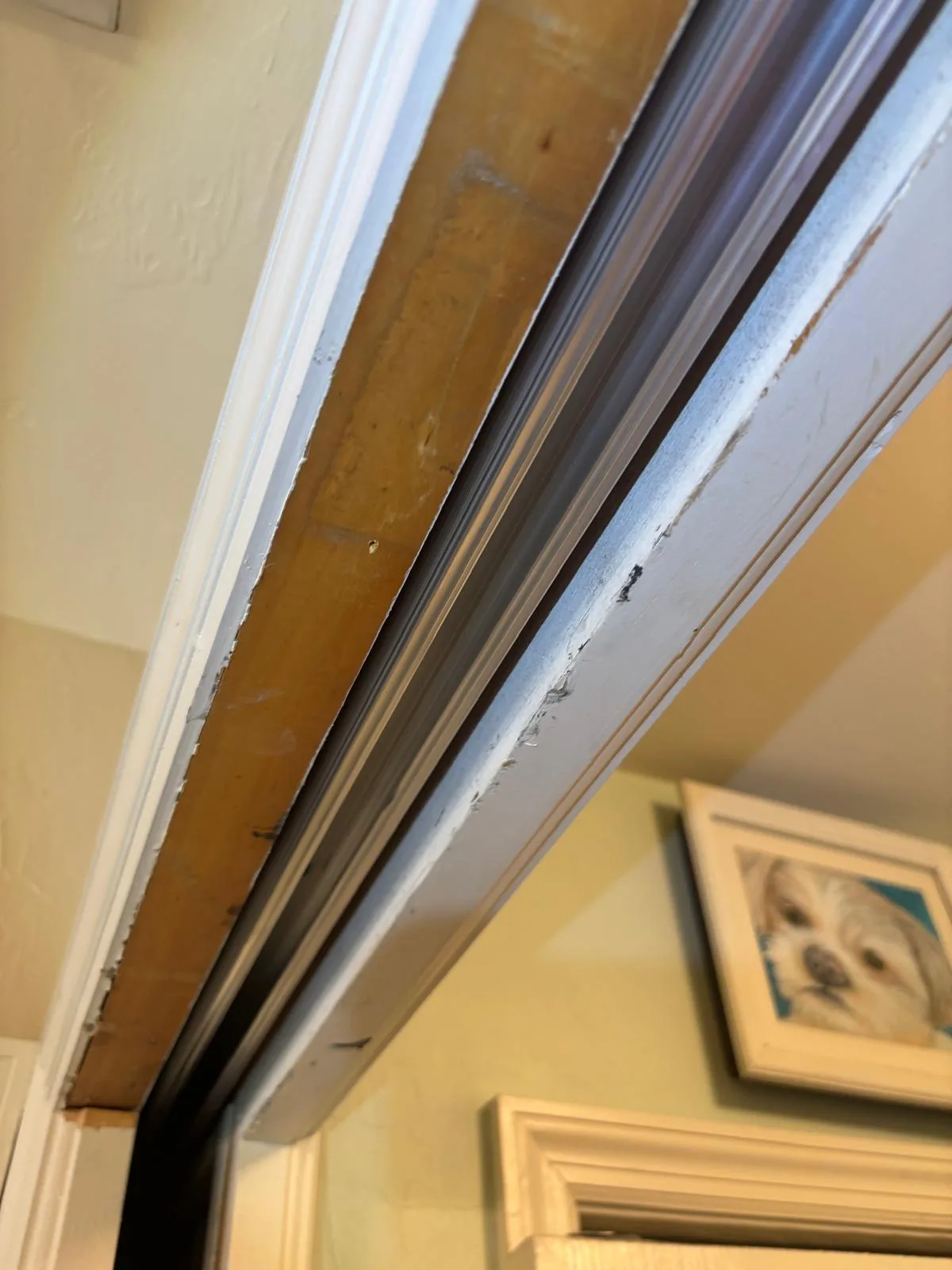
Dirt, construction debris, and oxidation build up in aluminum tracks over months of use. This buildup creates resistance points that slow door movement and force rollers to work harder, accelerating their deterioration.
How Misalignment Affects Door Speed
Even slight misalignment causes doors to drag against the frame or weatherstripping, dramatically slowing operation. Commercial buildings often settle over time, especially in South Florida's sandy soil conditions, throwing doors out of proper alignment.
Misaligned doors force rollers to work at angles they weren't designed for, creating uneven wear patterns. This compounds the problem as worn rollers further worsen alignment, creating a cycle of degradation.
Impact of South Florida Climate on Commercial Doors
Salt air from the Atlantic Ocean penetrates inland throughout St. Lucie County, causing accelerated corrosion of metal components. Rollers, tracks, and adjustment screws all deteriorate faster here than in inland climates.
High humidity causes expansion and contraction in aluminum frames and tracks. This constant movement loosens adjustment screws and shifts door panels, leading to binding and slow operation over time.
Weatherstripping Deterioration
UV exposure and humidity break down rubber and vinyl weatherstripping faster in South Florida. As weatherstripping swells or becomes sticky, it creates drag against the door panel, noticeably slowing movement and requiring more force to operate.
Repair Solutions and Expected Costs
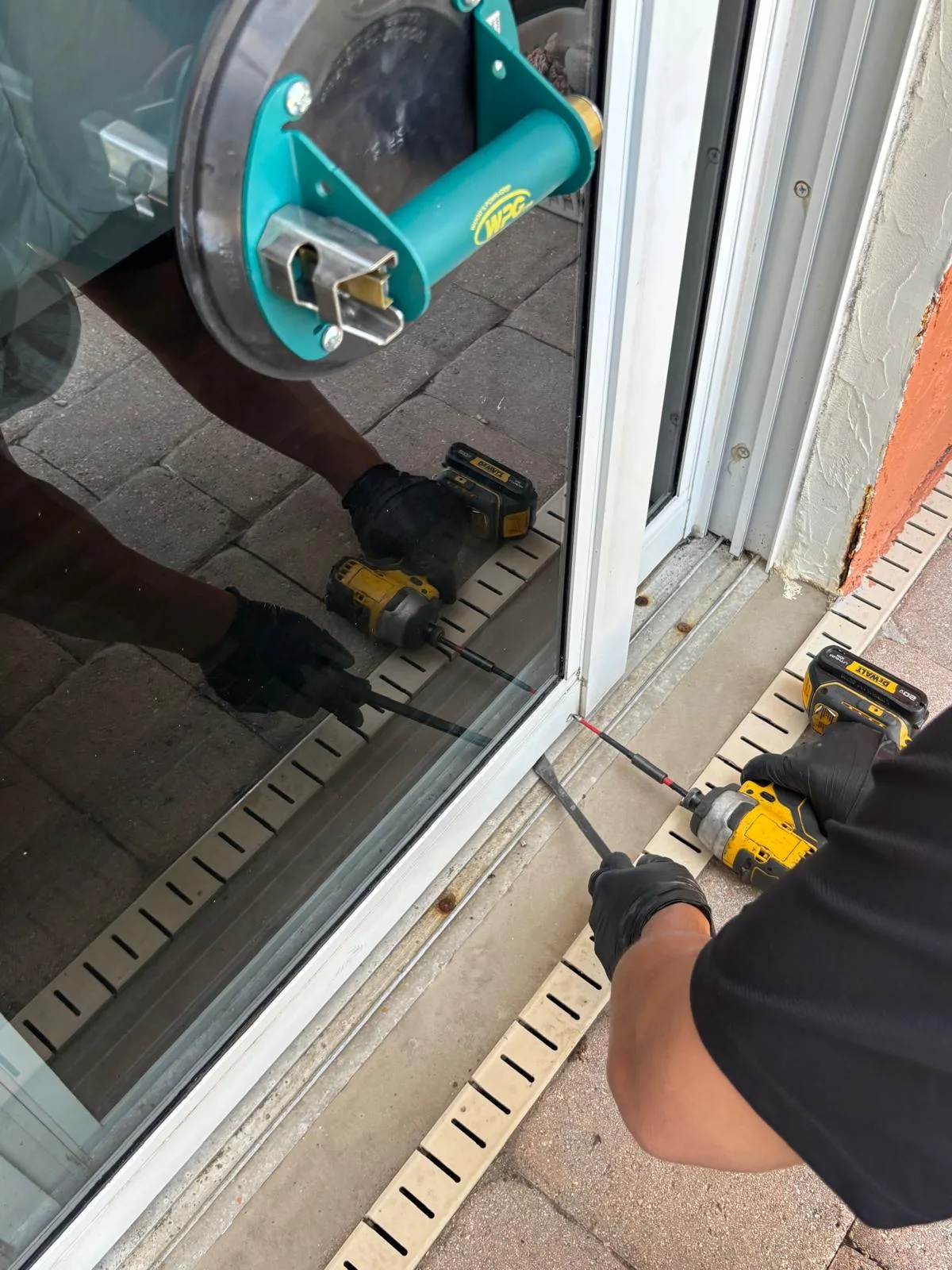
Roller replacement typically resolves most slow door issues, with commercial-grade rollers costing $199-$299 per panel for parts and installation. Track cleaning and realignment runs $149-$349 depending on the extent of damage and adjustments needed.
Preventive maintenance every 12-18 months costs $89-$159 but extends component life significantly. Regular cleaning, lubrication, and minor adjustments prevent the wear that leads to slow operation and expensive emergency repairs.
Related services from Port St. Lucie Sliding Door Repair:
Professional Commercial Door Repair in Port St. Lucie
Marco Delgado has been repairing commercial sliding doors throughout Port St. Lucie and Tradition since 2018, working with all major brands including Pella, Milgard, and JELD-WEN. As a solo operator, he personally handles every repair with attention to detail that keeps businesses running smoothly.
Contact Port St. Lucie Sliding Door Repair at (772) 297-0543 for a custom quote on your commercial door repair. For businesses in Martin County, treasurecoastslidingdoorrepair.com provides the same quality service.