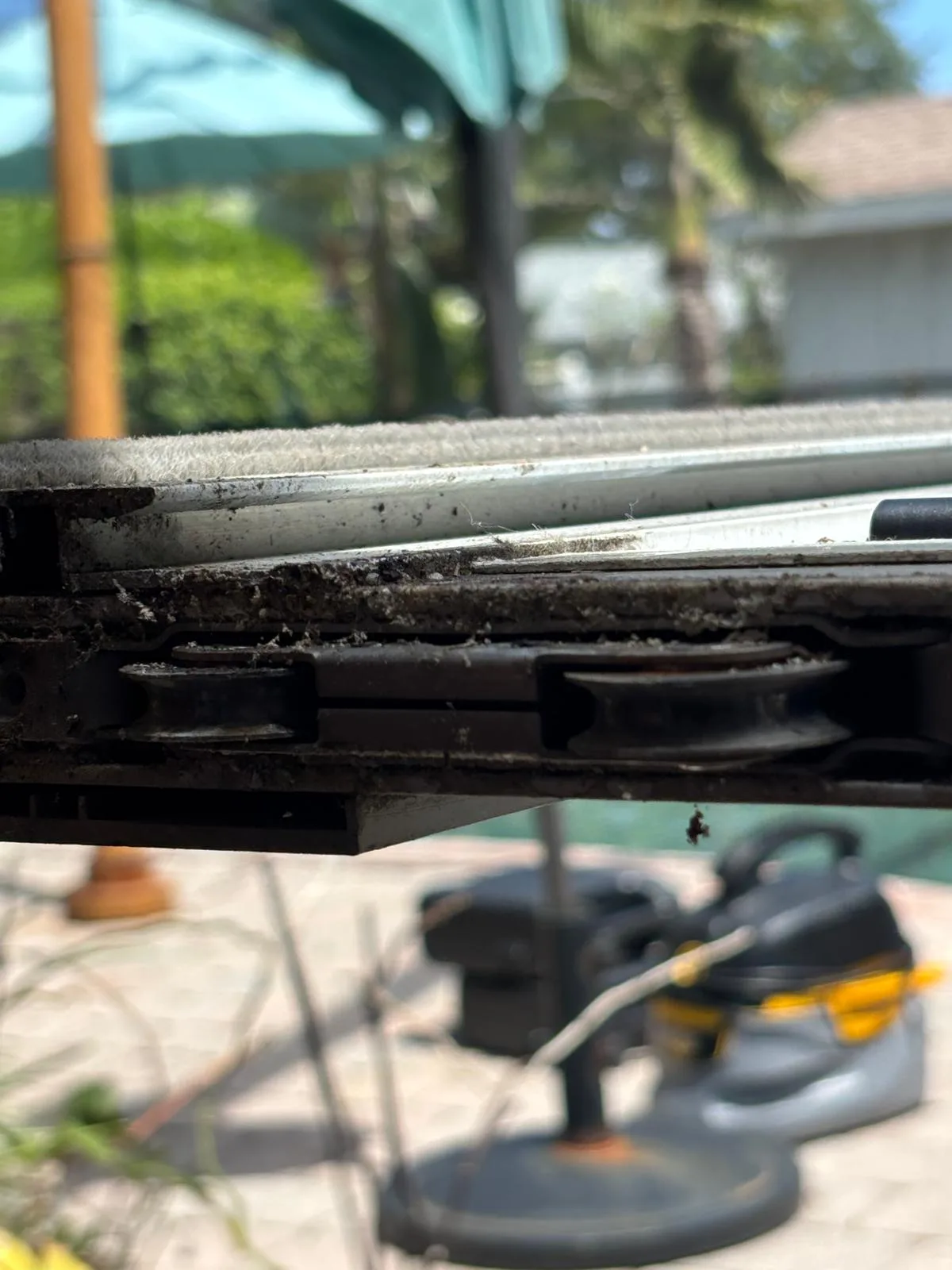
Why Sliding Door Locks Stick or Won't Turn
The most common culprit is hardened grease inside the lock cylinder, especially in coastal areas where salt particles mix with lubricant to form a paste-like residue. This buildup prevents the internal pins and springs from moving freely. Temperature fluctuations cause metal components to expand and contract, worsening the binding.
Misalignment between the door panel and frame shifts the strike plate position by even a few millimeters, preventing the lock bolt from engaging smoothly. Heavy impact glass doors settle over time as foundation micro-movements occur, a normal process in St. Lucie County's sandy soil conditions. The lock tries to turn but meets resistance from the misaligned receiver.
Corrosion From Humidity and Salt Air
South Florida's year-round humidity penetrates lock housings, causing steel pins and springs to rust in place. Salt air accelerates this process dramatically, particularly in homes within five miles of the coast. Once corrosion begins, even high-quality locks from Pella or Milgard can fail within months without intervention.
Worn Internal Components
Lock cylinders contain small pins, springs, and cam mechanisms that wear down after thousands of lock and unlock cycles. The typical family operates their sliding door 10-15 times daily, meaning a six-year-old lock has cycled 25,000+ times. Metal fatigue causes these parts to deform slightly, creating friction that prevents smooth rotation.
How to Fix a Sliding Door Lock That Won't Turn
Start by spraying a silicone-based lubricant directly into the keyhole and around the thumbturn mechanism, avoiding petroleum products that attract dirt. Work the key or handle back and forth gently while applying the spray to help penetration. Let it sit for 15-20 minutes, then try operating the lock again with steady, even pressure.
If lubrication doesn't work, check door alignment by observing the gap between the door panel and frame when closed. An even 1/8-inch gap indicates proper alignment, while variations suggest the door has shifted. You can often adjust alignment by raising or lowering the door via roller adjustment screws at the bottom corners, which requires removing decorative caps to access.
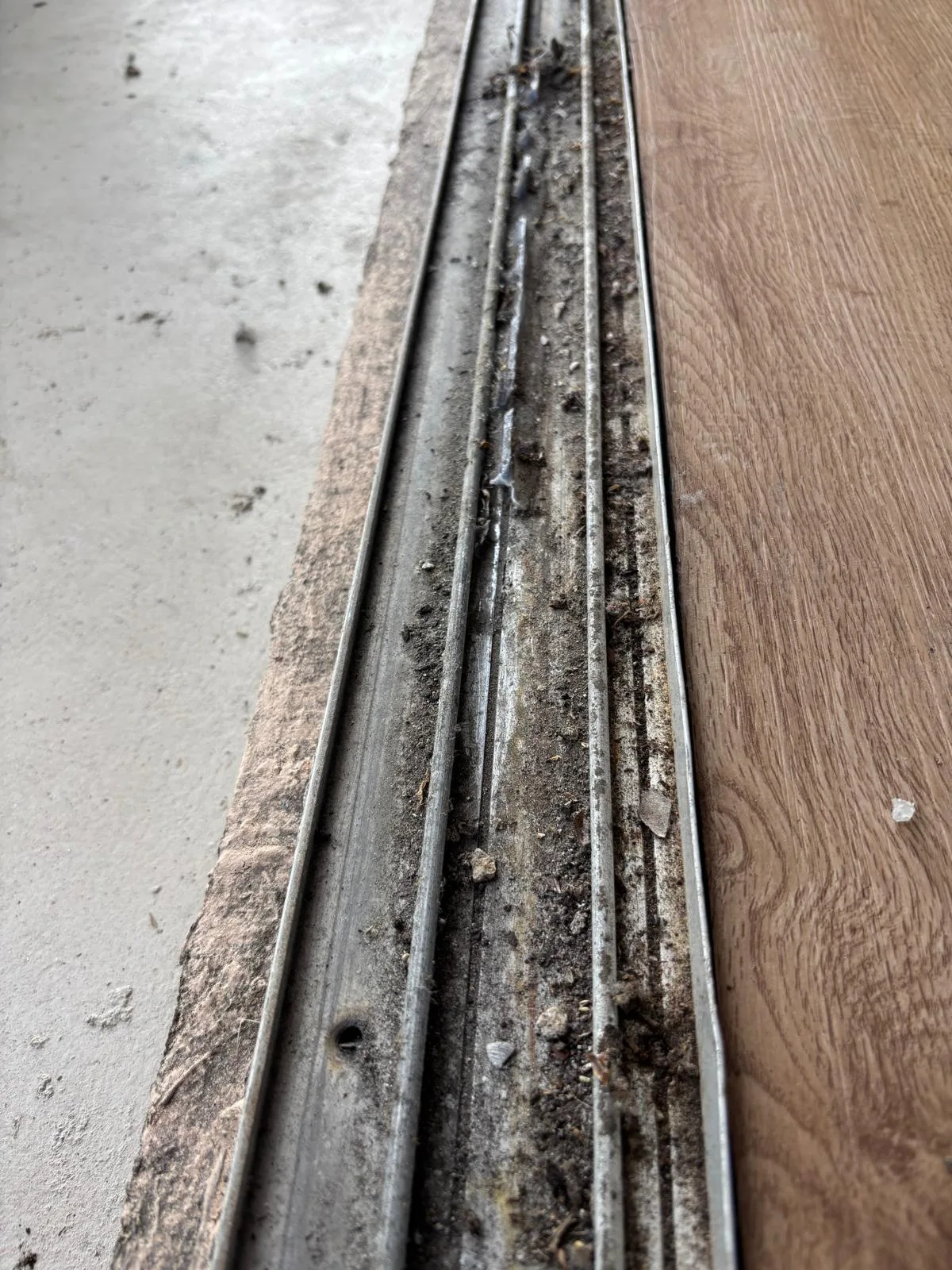
When to Replace vs Repair the Lock Mechanism
Locks with visible rust staining, broken springs, or cracked housings need replacement rather than repair. If you can see orange or white corrosion around the lock body or the key turns but nothing engages, internal damage has progressed beyond simple fixes. Attempting repairs on severely compromised locks wastes time and may damage surrounding door components.
Replacement makes financial sense when repair costs approach $100-$150, as a new mortise lock installation typically runs $129-$229 including parts and labor. Modern replacements often include corrosion-resistant coatings better suited to Florida conditions than original equipment from 10-15 years ago. Upgrading to stainless steel mechanisms extends service life significantly in coastal environments.
Matching Locks to Your Door Brand
JELD-WEN, Andersen, and PGT doors use brand-specific mortise lock dimensions that aren't always universal. The pocket cutout depth, backset measurement, and faceplate size must match exactly for proper function. Bringing your old lock to a professional ensures you get compatible hardware that fits without modifying the door.
Preventive Maintenance to Avoid Future Lock Problems
Apply silicone spray lubricant to your sliding door lock every six months, more frequently if you live near the ocean or experience salt spray. This simple step prevents the buildup that causes 80% of lock failures in South Florida. Wipe excess lubricant away to avoid attracting dust and sand particles that create grinding paste.
Annual door alignment checks catch settling issues before they stress lock mechanisms to the breaking point. Professional maintenance service typically costs $89-$159 and includes roller inspection, track cleaning, and lock adjustment. Catching a 2mm alignment shift early prevents the need for a $229 lock replacement down the road.
Related services from Port St. Lucie Sliding Door Repair:
Professional Lock Repair in Port St. Lucie
Marco Delgado has serviced sliding door locks throughout Saint Lucie West since 2018, handling everything from simple lubrication to complete mortise lock replacement on impact glass doors. Port St. Lucie Sliding Door Repair provides upfront pricing and same-day service for most lock issues. Years of experience with PGT, CGI, and other local brands means proper diagnosis the first time.
If your lock won't turn or feels stuck, call (772) 297-0543 for an assessment before forcing it and causing additional damage. Lock and latch repairs typically range from $129-$229 depending on parts needed and labor complexity. For Martin County residents, treasurecoastslidingdoorrepair.com offers the same quality service north of St. Lucie County.