How South Florida's Coastal Environment Damages Tracks
Salt air is the biggest culprit behind track corrosion in Port St. Lucie and surrounding areas. The constant exposure to airborne salt particles creates oxidation that eats away at aluminum and steel track components, leading to pitting and structural weakness.
High humidity levels compound this problem by keeping metal surfaces damp for extended periods. Even stainless steel tracks can develop rust spots in our climate, though they typically last longer than standard aluminum.
Sand and Debris Accumulation
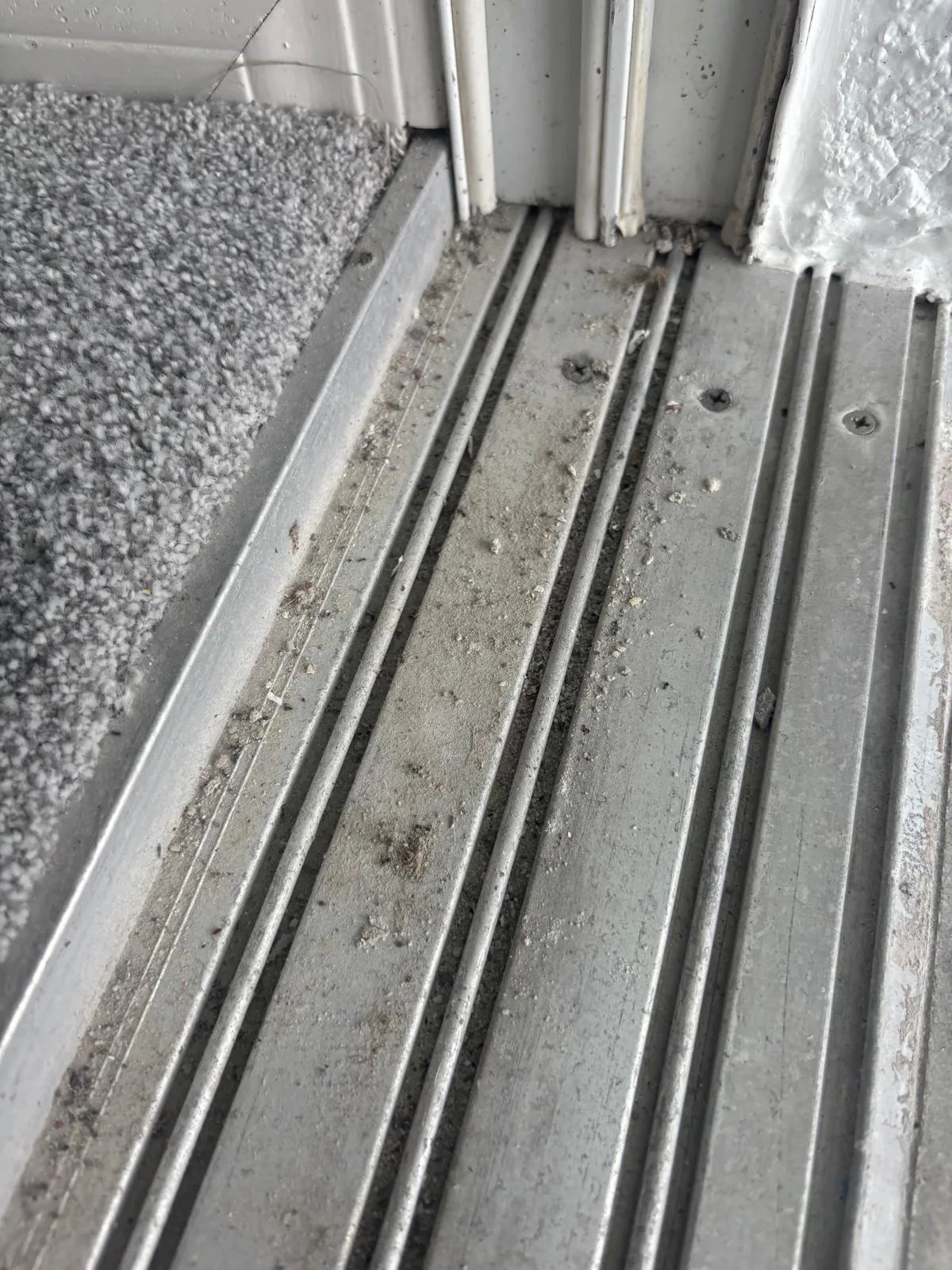
Fine sand particles blow into track channels during windy conditions and daily use. This gritty material acts like sandpaper, grinding down the track surface and creating grooves that prevent smooth door operation.
Moisture and Mold Growth
Water collects in track weep holes and channels during heavy rains, which is nearly daily during summer months. When drainage becomes blocked, standing water promotes mold growth and accelerates metal deterioration in brands like PGT, CGI, and Andersen doors.
The Impact Glass Weight Problem
Modern impact-resistant glass panels weigh between 150 and 300 pounds each, compared to 80-120 pounds for older single-pane doors. This doubled or tripled weight places tremendous stress on tracks that were designed decades ago for lighter materials.
Brands like Pella, Milgard, and JELD-WEN install heavier-duty tracks in their newer models to compensate for this weight. However, many Port St. Lucie homes still have original tracks supporting retrofit impact glass, creating a serious mismatch that leads to premature failure.
Common Track Damage Patterns in St. Lucie County Homes
Track flattening occurs when heavy doors compress the aluminum rail over time. You'll notice the door drags or sticks in certain spots rather than rolling smoothly end to end.
Corner cracking happens where track sections meet or at mounting screw locations. The metal fatigues from constant vibration and weight stress, developing hairline cracks that eventually split completely.
Wear Grooves and Divots
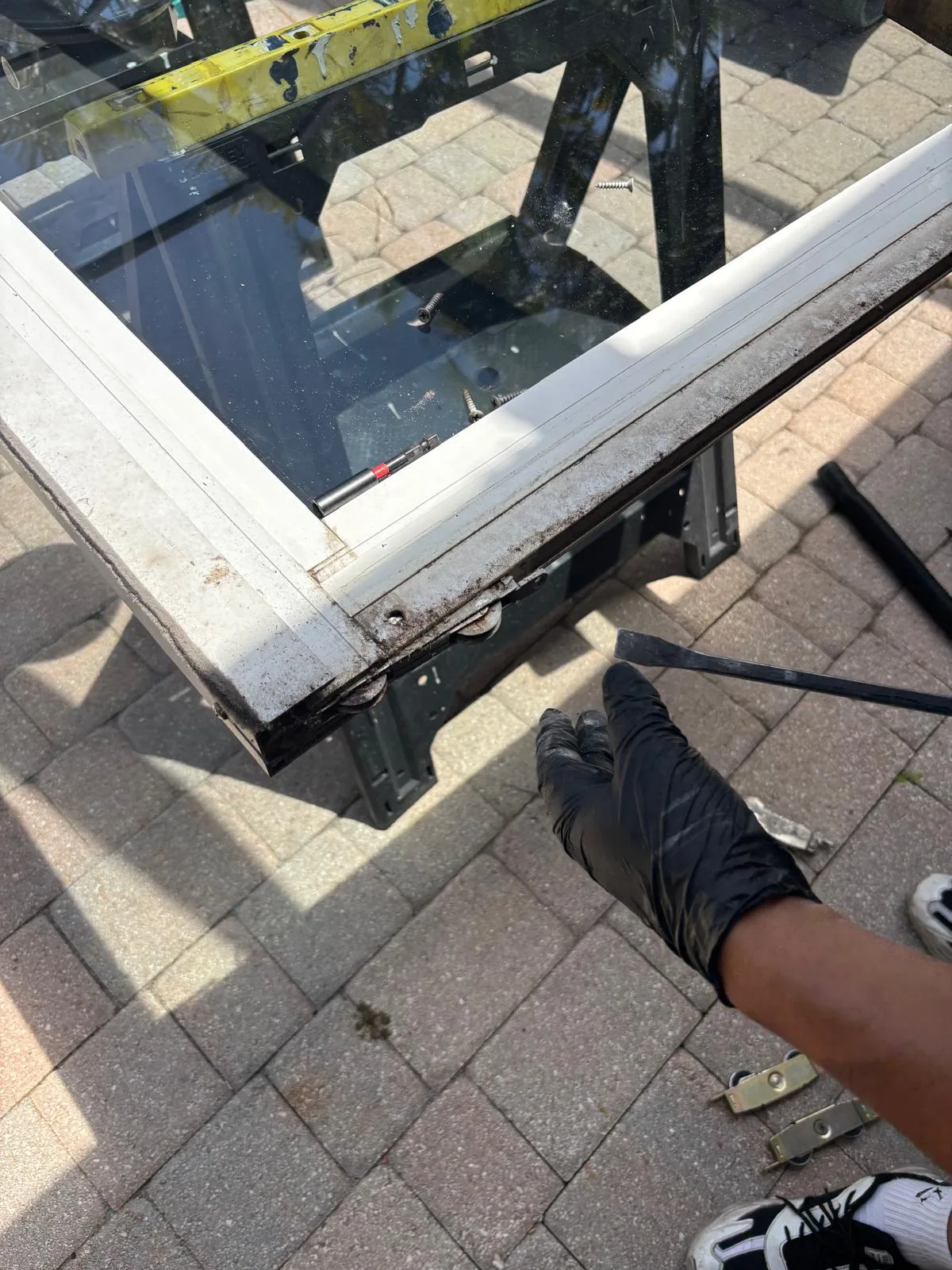
Damaged or worn rollers create specific wear patterns in the track surface where the door sits most often. These grooves prevent the door from rolling past certain points and can cause the panel to jump off track entirely during operation.
Prevention vs. Repair Costs
Regular maintenance runs $89-$159 and includes thorough cleaning, lubrication, and minor adjustments that can extend track life considerably. Most homeowners skip this service until problems become obvious, at which point track replacement costs $149-$349 depending on door size and accessibility.
Catching track damage early often means you can get by with roller replacement at $199-$299 per panel instead of full track work. The key is having someone inspect your doors annually, especially if your home was built before impact glass requirements took effect.
Related services from Port St. Lucie Sliding Door Repair:
Professional Track Repair in Port St. Lucie
Marco Delgado has been repairing sliding door tracks throughout Port St. Lucie since 2018, working as a solo operator who personally handles every service call. His experience with South Florida's unique conditions means accurate diagnosis and repairs that account for our coastal environment.
Port St. Lucie Sliding Door Repair offers track repair and replacement services with upfront pricing and same-day availability in most cases. Call (772) 297-0543 to schedule an inspection at 265 SW Port St. Lucie Blvd or request service at your location.