(772) 297-0543

How to protect a sliding glass door from Florida salt air corrosion

Same-Day Service
Free Estimates
All Major Brands
Residential & Commercial
Licensed & Insured
TL;DR

Protecting your sliding door from Florida salt air corrosion requires monthly cleaning with fresh water, silicone-based lubrication of metal components, and regular inspection of weatherstripping and tracks. Professional preventive maintenance ($89-$159) catches early corrosion before it causes permanent damage to rollers, locks, and tracks.

Sliding door repair in Port St. Lucie FL

To protect sliding door from Florida salt air corrosion, you need consistent cleaning, proper lubrication, and scheduled inspections of all metal components. Salt particles carried by coastal breezes settle on tracks, rollers, and locking mechanisms, creating a corrosive environment that accelerates wear. Without prevention, even impact-rated doors weighing 150-300 pounds can develop serious operational problems within 2-3 years.

Port St. Lucie's proximity to the Atlantic Ocean means every home faces constant salt exposure, especially during afternoon sea breezes. The combination of salt, humidity, and heat creates the perfect conditions for metal degradation on both aluminum frames and stainless steel hardware. Regular maintenance prevents costly repairs and extends your door's lifespan significantly.

Why Salt Air Damages Sliding Doors in South Florida

Salt particles from ocean spray travel inland for miles, settling on every exposed surface including your sliding door components. When combined with Florida's high humidity, these particles create an electrolyte solution that attacks aluminum tracks, steel rollers, and metal lock housings. This electrochemical process happens faster in our climate than almost anywhere else in the country.

Impact glass doors required by Florida building code since 2002 weigh considerably more than standard panels, putting extra stress on corroded rollers and tracks. Brands like PGT, CGI, and Andersen use quality materials, but even premium components need protection from constant salt exposure. Once corrosion begins, it spreads quickly through microscopic cracks in protective coatings.

How Salt Corrosion Affects Different Door Components

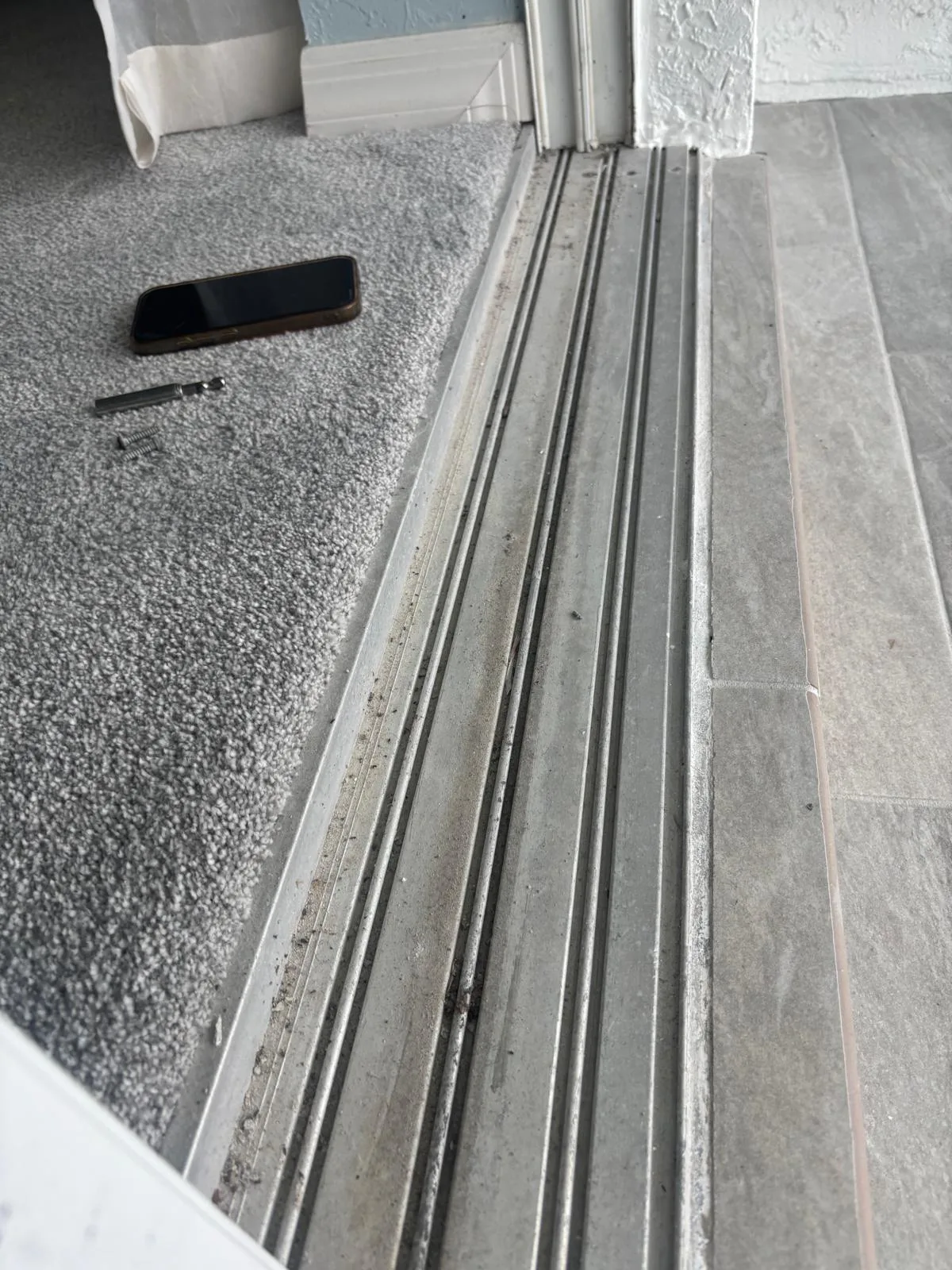
Aluminum tracks develop white powder deposits and pitting that prevents smooth operation and traps debris. Stainless steel rollers can actually rust when their protective chromium layer is compromised by salt buildup. Lock mechanisms seize up as corrosion blocks the movement of internal springs and latches.

The Timeline of Corrosion Damage

Visible salt residue appears within days of exposure, though actual corrosion takes 3-6 months to affect performance. By year two without proper maintenance, you'll notice increased resistance when opening and closing. Year three typically brings complete failure of rollers or locks, requiring replacement instead of simple cleaning.

Monthly Cleaning Procedures That Actually Work

Rinse tracks and frame edges with fresh water from a spray bottle or garden hose every 30 days, focusing on corners where salt accumulates. Use a soft brush or old toothbrush to scrub visible deposits from the track channels and roller housings. Dry everything thoroughly with a microfiber cloth to prevent water spots that can trap salt particles.

For stubborn buildup, mix one part white vinegar with three parts water to dissolve salt crystals without damaging finishes. Avoid abrasive cleaners or steel wool that scratch protective coatings and expose bare metal. This simple routine takes 10-15 minutes but prevents 90% of corrosion-related problems.
Sliding door components being serviced in South Florida

How to Protect Sliding Door from Florida Salt Air Corrosion with Proper Lubrication

Apply silicone-based lubricant to rollers, track channels, and lock mechanisms every 60-90 days after cleaning. Silicone repels water and creates a barrier between metal surfaces and salt-laden air. Never use WD-40 or petroleum-based products that attract dust and break down in Florida heat.

Remove the door panel once yearly to access and lubricate the top and bottom roller assemblies directly. This also allows inspection for early signs of corrosion that aren't visible when the door is installed. If you're uncomfortable removing heavy impact glass panels, professional maintenance service costs $89-$159 and includes this step.

Coating Options for Extra Protection

Marine-grade corrosion inhibitor sprays provide additional protection for exposed metal components in high-risk areas. Clear protective wax designed for aluminum creates a sacrificial barrier that salt attacks instead of the metal underneath. Reapply these coatings every 3-4 months for maximum effectiveness in St. Lucie County's coastal environment.

Inspection Points That Catch Problems Early

Check weatherstripping quarterly for gaps, tears, or compression that allows salt air to reach internal components. Inspect the weep holes at the bottom of the frame to ensure they're clear and draining properly, not clogged with salt residue. Look for white or reddish powder on any metal surface, which indicates active corrosion.

Test lock engagement monthly by ensuring the latch catches firmly without excessive force or wiggling. Listen for grinding sounds when opening and closing, which signals corroded or damaged rollers before complete failure occurs. Early detection typically means simple cleaning or minor adjustments rather than full component replacement costing $129-$349.

Professional Maintenance Prevents Expensive Repairs

Marco Delgado has serviced sliding doors throughout Port St. Lucie since 2018, helping homeowners protect their investments from salt air damage. Professional preventive maintenance includes thorough cleaning, lubrication, adjustment, and inspection of all components before minor issues become major failures. This proactive approach saves hundreds compared to emergency roller replacement ($199-$299 per panel) or track repair ($149-$349).

Schedule annual or bi-annual maintenance by calling (772) 297-0543 to keep your sliding door operating smoothly for decades. Port St. Lucie Sliding Door Repair serves all of St. Lucie County from the shop at 265 SW Port St. Lucie Blvd. For properties in Martin County, contact our trusted partner at treasurecoastslidingdoorrepair.com.

Frequently Asked Questions

How often should I clean my sliding door to prevent salt air corrosion?
Clean your sliding door tracks and components with fresh water monthly in Port St. Lucie's coastal environment. Homes within two miles of the ocean may benefit from bi-weekly rinsing during summer months when afternoon sea breezes are strongest. This simple maintenance takes 10-15 minutes and prevents most corrosion problems before they start. Add quarterly deep cleaning with vinegar solution for stubborn salt deposits.
What are the first signs of salt air corrosion on sliding door parts?
White powdery residue on aluminum tracks is the earliest visible sign of salt corrosion. You might notice increased resistance when opening or closing, indicating that rollers are binding due to corrosion buildup. Lock mechanisms may become sticky or require extra pressure to engage properly. Reddish-brown staining around stainless steel components suggests the protective coating has failed and active rust has begun.
Can I use WD-40 to protect my sliding door from salt damage?
No, WD-40 and similar petroleum-based products actually attract dust and dirt that accelerates wear in Florida's environment. Use silicone-based lubricants specifically designed for sliding doors, which repel moisture and create a protective barrier against salt air. Marine-grade corrosion inhibitors provide even better protection for homes near the coast. Reapply lubricant every 60-90 days after cleaning for best results.
Does impact glass make sliding doors more vulnerable to corrosion problems?
Impact glass itself doesn't corrode, but the 150-300 pound weight puts significantly more stress on rollers and tracks that are weakened by corrosion. This extra weight means that even minor corrosion can cause operational problems faster than with standard glass panels. Florida building code requires impact glass in homes built after 2002, making proper maintenance even more important. Quality brands like PGT, CGI, and Andersen use corrosion-resistant materials, but they still need regular care.
How much does professional sliding door maintenance cost in Port St. Lucie?
Professional preventive maintenance typically costs $89-$159 and includes cleaning, lubrication, adjustment, and inspection of all components. This service catches early corrosion before it causes expensive damage requiring roller replacement ($199-$299 per panel) or track repair ($149-$349). Annual or bi-annual professional service is more cost-effective than waiting for component failure. The investment extends your door's lifespan and maintains smooth operation year-round.
What's the best lubricant for sliding door tracks in coastal Florida?
Silicone-based lubricants designed specifically for sliding doors work best in South Florida's salt air environment. These products repel water, resist breaking down in high heat, and don't attract dust like petroleum-based alternatives. Marine-grade dry lubricants with PTFE provide excellent protection for roller assemblies and are widely used in coastal applications. Apply lubricant every 60-90 days after thorough cleaning for maximum protection against corrosion.
MD
Marco Delgado
Sliding Door Repair Technician. PSL Native. Solo since 2018.

Marco grew up in Port St. Lucie and learned the trade from his uncle Ray in Jensen Beach. He has been running his own repair operation since 2018, servicing St. Lucie County homes and HOA communities. For Martin County jobs, he refers customers to Treasure Coast Sliding Door Repair.

Need a Sliding Door Fixed in Port St. Lucie?

Marco services all of St. Lucie County. Same-day appointments available on most repairs. Call for a free estimate before scheduling.

(772) 297-0543